








AI-Driven Search and the New Rules of SEO in Digital Marketing
Search is no longer just a list of blue links. Artificial intelligence, machine learning, and behavioral analysis now shape how results are ranked and displayed. For businesses, this means one thing: SEO has entered a new phase — one where quality, trust, and experience matter more than ever.
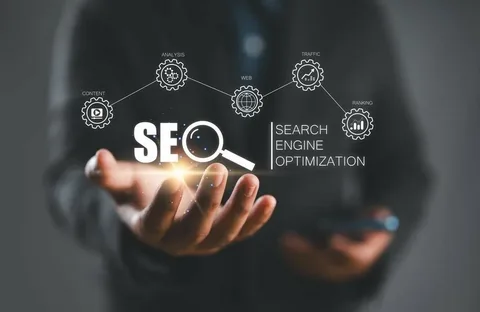
Modern digital marketing strategies must adapt to this AI-driven reality to remain competitive.
From Keywords to Search Experience Optimization
Traditional SEO focused heavily on exact keywords. Today, search engines evaluate the entire search experience.
They analyze:
- query intent and context
- content depth and accuracy
- page usability and layout
- historical user satisfaction
- brand credibility
Websites that optimize for experience rather than keywords alone gain stronger and more stable visibility.
Strategic implementations like those offered by
are designed around experience-first SEO.
EEAT Has Become a Ranking Foundation
Experience, Expertise, Authoritativeness, and Trust (EEAT) are no longer abstract concepts. They influence how content is evaluated, especially in competitive industries.
EEAT signals include:
- clear authorship and expertise
- transparent business information
- accurate and up-to-date content
- positive user engagement
- consistent brand presence
Building these signals requires long-term strategy, not shortcuts.
User Signals Influence Ranking Stability
Search engines increasingly rely on real user behavior to validate relevance.
Key signals include:
- click-through rate (CTR)
- dwell time
- pogo-sticking behavior
- interaction depth
Pages that satisfy users consistently maintain their positions even during algorithm updates.
This is why SEO strategies developed at
dreamixweb
focus heavily on behavioral optimization.
AI Search Favors Structured, Context-Rich Content
With the rise of AI-generated answers and search summaries, content structure has become critical.
High-performing pages:
- answer questions clearly and directly
- use logical headings and sections
- provide contextual depth
- avoid unnecessary fluff
Structured content increases the chances of being featured in AI-driven search results and summaries.
Technical SEO Supports AI Understanding
AI systems still rely on technical clarity.
Important technical elements include:
- schema markup
- clean HTML structure
- optimized crawl paths
- fast load times
- mobile-first layouts
Without technical clarity, even excellent content may be misunderstood or ignored.
Digital Marketing Strengthens AI Trust Signals
SEO does not operate alone in an AI-driven ecosystem.
Brand mentions, social visibility, and multi-channel presence:
- reinforce credibility
- improve recognition
- increase user trust
When AI systems detect consistent brand signals across the web, rankings become more resilient.
Integrated digital strategies like those used at
dreamixweb
are built to support this trust loop.
Analytics and AI-Aware SEO Strategy
Modern SEO requires deeper analysis.
Key insights come from:
- intent-based keyword clustering
- user journey tracking
- engagement segmentation
- conversion attribution
Data-driven optimization allows businesses to adapt quickly as search behavior evolves.
Why AI-Era SEO Creates Long-Term Advantage
Short-term tactics fail quickly in AI-driven search environments. Sustainable SEO focuses on:
- quality over quantity
- systems over hacks
- trust over manipulation
Brands that invest in this approach build visibility that compounds over time.
Conclusion
AI has changed how search works, but it has not changed why people search.
They still seek clarity, answers, and trust.
Businesses that align SEO, content, and digital marketing around these principles will not only rank higher — they will remain relevant as search continues to evolve.