




Gutter Bracket Spacing and Maintenance: Why Gutters Sag and How to Prevent Problems
A gutter system may look simple, but it depends on several small components working together correctly. Gutters collect rainwater from the roof, downpipes carry it away, and brackets keep the entire system fixed in the right position.
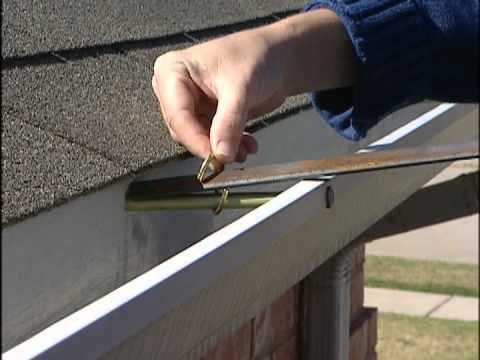 When any part of this arrangement begins to fail, water may overflow, run down external walls or collect close to the foundation.
One of the most common visible problems is gutter sagging. A section of gutter may appear lower than the rest, pull away from the fascia board or hold standing water after rainfall. In many cases, the cause is connected to gutter bracket spacing, weakened fixings, accumulated debris or a combination of these factors.
Understanding how brackets support a gutter and how regular maintenance protects those fixings can help prevent more expensive problems around the roofline and exterior walls.
What gutter brackets actually do
Gutter brackets support the weight of the gutter and keep it aligned along the roof edge. They also help maintain the slight fall needed to guide rainwater towards the outlet and downpipe.
Although an empty gutter is relatively light, the load increases considerably when it fills with water, leaves, moss and other debris. Wet organic material can remain inside the channel for long periods, especially during damp weather. This adds continuous pressure to the brackets and the surfaces into which they are fixed.
A reliable gutter installation therefore depends on more than simply attaching the channel to the building. The brackets must be positioned consistently, secured properly and suitable for the type of gutter being used.
When the support is uneven, one section may carry more weight than another. Over time, this can lead to movement, loose joints and visible sagging.
Why gutter bracket spacing matters
Gutter bracket spacing determines how evenly the weight of the system is distributed. When brackets are placed too far apart, unsupported sections of the gutter may begin to bend or dip.
This is particularly noticeable with plastic guttering. Plastic systems are widely used because they are affordable, lightweight and resistant to corrosion, but long sections still require adequate support. Temperature changes can also cause the material to expand and contract slightly, adding further movement around joints and brackets.
Closer and more consistent support helps the gutter retain its shape. It also reduces stress around connections, corners and outlets.
There is no single spacing measurement that applies to every possible system. The suitable distance depends on the gutter material, profile, size, roof area and the manufacturer’s installation guidance. However, the general principle remains the same: brackets must be close enough to stop the gutter from flexing under normal working loads.
Extra attention is often needed near:
- gutter outlets;
- corners;
- stop ends;
- joints between sections;
- changes in direction;
- areas exposed to heavy runoff from the roof.
These parts of the system may experience additional movement or concentrated water flow.
Why gutters begin to sag
Poor bracket spacing is only one possible cause of sagging. A gutter that was installed correctly can still develop problems after years of use.
Accumulated leaves and moss
Leaves, roof moss, twigs and dirt gradually collect inside open gutters. Once wet, this material becomes much heavier than it appears. The additional weight places pressure on the gutter channel, brackets and fascia fixings.
A minor dip can then make the problem worse. Water and debris naturally collect in the lowest point, increasing the load in that area and causing the gutter to sag further.
Loose screws and fixings
Brackets are only as secure as the surface holding them. Screws may loosen over time, particularly if the fascia board is old, damaged or affected by moisture.
Once one bracket begins to move, neighbouring brackets may carry a larger share of the load. This can create a chain reaction along the roofline.
Damaged fascia boards
A gutter may appear to have a bracket problem when the real issue is the fascia behind it. Rotten or weakened timber cannot provide a stable fixing point.
In this situation, tightening the bracket may offer only a temporary improvement. The damaged section of fascia may need repair before the gutter can be secured correctly.
Incorrect gutter fall
A gutter should not be completely level. It normally needs a small controlled fall towards the outlet so that water drains efficiently.
If the fall is incorrect, water may remain inside the system after rainfall. Standing water adds weight and encourages dirt to settle. It may also reveal an existing low point where a bracket has moved.
Blocked outlets and downpipes
Even a well-supported gutter can fill with water if the outlet or downpipe is blocked. During heavy rain, the system may become overloaded and begin to overflow.
This increased weight is transferred directly to the brackets. Repeated overloading can cause the gutter to pull away from the building or distort around the outlet.
The relationship between cleaning and fixing strength
Gutter cleaning is usually discussed as a way to prevent overflowing water, but it also helps protect the physical support system.
Removing wet debris reduces the amount of weight carried by the brackets. It also allows water to move through the gutter rather than remaining trapped in low sections.
Regular maintenance makes it easier to spot:
- missing or damaged brackets;
- loose screws;
- separated joints;
- cracks in plastic guttering;
- corrosion on metal components;
- movement around the fascia;
- sections where water is not draining correctly.
Owners of properties in central England can find further practical information in this gutter cleaning and maintenance guidance for Derby homes, which covers common warning signs and the importance of keeping drainage systems clear in a wet climate.
Cleaning does not repair a weak bracket, but it removes one of the main causes of excessive load. It also provides an opportunity to identify problems before they become more serious.
How weather affects gutter fixings
Weather conditions influence both the amount of water entering the gutter and the way the system ages.
Frequent rainfall means that gutters may operate repeatedly without fully drying. Leaves and moss remain wet, while small leaks around joints can keep fascia boards damp.
Wind can also move long gutter sections, especially when fixings are already loose. During autumn, strong wind may carry larger quantities of leaves and small branches onto the roof.
Cold weather presents another type of pressure. Trapped water can freeze, increasing weight and expanding inside blocked areas. Although severe freezing may not occur regularly in every region, even occasional cold periods can expose weak joints and supports.
Sunlight and temperature changes also affect plastic components. Expansion and contraction are normal, but poor installation or restricted movement can create stress around joints and brackets.
This is why gutter maintenance should consider the entire system rather than focusing only on visible dirt.
Signs that gutter brackets may be failing
A problem is often easier to correct when it is noticed early. Several signs can indicate that brackets or fixings are no longer supporting the gutter correctly.
A visible dip in the gutter line
When viewed from ground level, the gutter should follow a smooth line towards the outlet. A clear dip usually indicates movement, poor support or accumulated weight.
Water remains after rainfall
Standing water suggests that the gutter fall has changed or that one section has dropped below the correct level.
Gaps between the gutter and fascia
A bracket may have loosened or pulled away from the fixing surface. Even a small gap can allow movement during heavy rain or wind.
Overflow from one specific area
Overflow does not always mean the entire gutter is blocked. It may indicate a local low point where water and debris are collecting.
Dripping around joints
When a gutter changes position, connected sections may no longer sit together correctly. Water can then escape through the joint.
Repeated bracket failure
When the same area becomes loose again after repair, the underlying fascia board may be damaged or the gutter may not have enough support.
Why simply adding more brackets may not solve the problem
Installing an additional bracket can help support a weak section, but it is not always the complete solution.
Before adding new fixings, it is useful to understand why the gutter moved in the first place. Possible causes include blocked drainage, damaged fascia, an incorrect fall or a deformed gutter section.
Attaching extra brackets to weak timber will not create a reliable repair. Similarly, supporting a gutter without clearing the outlet may leave the system overloaded during the next period of heavy rain.
A better approach is to inspect the whole section:
- Remove leaves and debris.
- Check that the outlet and downpipe are clear.
- Look for cracks, separated joints and distortion.
- Inspect the fascia around loose fixings.
- Confirm that water flows towards the outlet.
- Replace damaged brackets where necessary.
- Add support only where the existing spacing is inadequate.
This avoids treating the visible symptom while leaving the main cause unchanged.
Plastic and metal gutter systems
Plastic and metal gutters may develop similar problems, but their behaviour is not identical.
Plastic guttering is lightweight and does not rust. It is easy to replace in sections, but it can bend when poorly supported and may become brittle as it ages. Correct spacing and allowance for normal expansion are important.
Metal guttering is generally more rigid, but it can corrode if protective coatings are damaged. Metal systems may also place more initial weight on the fixing points.
Regardless of material, no system performs well when it is full of wet debris or attached to an unstable surface. Suitable brackets, secure fixings and regular cleaning remain essential.
A practical maintenance routine
A simple routine can reduce the likelihood of sagging and overflow.
The gutter should be visually checked after periods of heavy rain and following autumn leaf fall. Properties surrounded by trees may require more frequent inspection.
From ground level, look for:
- water spilling over the edge;
- uneven sections;
- staining on external walls;
- vegetation growing from the gutter;
- dripping joints;
- loose downpipes;
- water collecting near the base of the building.
Where safe access is possible, debris can be removed and the system tested with a controlled amount of water. The water should move steadily towards the outlet without collecting in one section.
Working at height carries serious risks. Complex rooflines, conservatories, extensions and uneven ground can make ladder access unsafe. In these situations, professional inspection may be the more practical option.
When repair is enough and when replacement is better
A small number of loose or damaged brackets can often be replaced without renewing the entire gutter system.
Repair may be suitable when:
- the gutter channel remains straight and undamaged;
- the fascia is sound;
- only a few fixings are loose;
- joints remain in usable condition;
- the outlet and downpipe work correctly.
Replacement may be more appropriate when:
- long sections are distorted;
- plastic has become brittle;
- metal components are badly corroded;
- joints continue to leak after repair;
- the fascia requires major work;
- the existing bracket arrangement is inadequate across the whole roofline.
A new system will still require maintenance. Replacement corrects structural problems, but it does not prevent future accumulation of leaves and moss.
Conclusion
Gutter bracket spacing plays an important role in keeping a drainage system straight, secure and capable of carrying water safely away from the roof. When support is inconsistent or fixings become loose, gutters may sag, hold standing water and overflow.
However, bracket problems rarely exist in isolation. Blocked outlets, wet debris, damaged fascia boards and incorrect gutter fall can all increase stress on the system.
Regular cleaning helps reduce this load and makes early faults easier to identify. A gutter that remains clear, properly supported and correctly aligned is less likely to damage external walls, roofline components or the area around the foundation.
The most effective approach is therefore a combination of suitable fixings and routine maintenance. Strong brackets support the gutter, while a clear drainage path prevents those brackets from carrying unnecessary weight.